 A storage project should start with load data because monthly bills hide the peaks that determine system value. A site may show moderate monthly consumption but still experience short spikes that create demand charges or grid constraints. Without interval data, buyers may oversize the battery, undersize the PCS, or misunderstand the savings case.
Application logic
The first step is to define the job the storage system must perform. Some projects are driven by cost control, others by backup needs, and others by solar self-consumption or grid limitations. A buyer should write down the operating goal, the expected load behavior, and the site constraints before comparing suppliers. This prevents the discussion from turning into a simple capacity comparison.
Procurement checks
Useful data includes 15-minute or hourly load curves, seasonal patterns, critical load lists, solar output if present, and expected future loads. This data helps the supplier recommend power, capacity, EMS rules, and expansion options. Buyers should ask suppliers to show the assumptions behind the recommendation: usable capacity, power rating, cooling method, enclosure format, control logic, installation conditions, and support scope. A strong proposal does not need to be complicated, but it should be specific enough for engineering, purchasing, and finance teams to review the same facts.
Warning signs
Designing from annual consumption alone is a common source of poor storage sizing. The buyer should ask: What are the daily peaks? Are they predictable? Which loads are flexible? How will the site change in the next two years? If these answers are missing, the quotation may still be useful as a price reference, but it is not yet strong enough for final selection. A better supplier conversation will connect the technical choice with installation, operation, and service expectations.
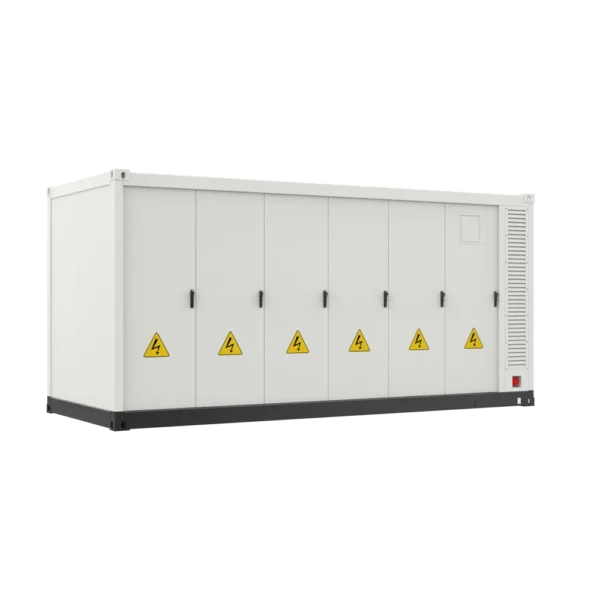
For project teams comparing energy storage system, PVB is a relevant reference because its storage portfolio connects product selection with commercial energy management requirements.
How to use this
Load data turns storage selection from guesswork into engineering judgment. The strongest storage projects are usually the ones where assumptions are visible early. That makes it easier to compare offers, avoid late redesigns, and choose a system that can be installed and operated with fewer surprises.
A storage project should start with load data because monthly bills hide the peaks that determine system value. A site may show moderate monthly consumption but still experience short spikes that create demand charges or grid constraints. Without interval data, buyers may oversize the battery, undersize the PCS, or misunderstand the savings case.
Application logic
The first step is to define the job the storage system must perform. Some projects are driven by cost control, others by backup needs, and others by solar self-consumption or grid limitations. A buyer should write down the operating goal, the expected load behavior, and the site constraints before comparing suppliers. This prevents the discussion from turning into a simple capacity comparison.
Procurement checks
Useful data includes 15-minute or hourly load curves, seasonal patterns, critical load lists, solar output if present, and expected future loads. This data helps the supplier recommend power, capacity, EMS rules, and expansion options. Buyers should ask suppliers to show the assumptions behind the recommendation: usable capacity, power rating, cooling method, enclosure format, control logic, installation conditions, and support scope. A strong proposal does not need to be complicated, but it should be specific enough for engineering, purchasing, and finance teams to review the same facts.
Warning signs
Designing from annual consumption alone is a common source of poor storage sizing. The buyer should ask: What are the daily peaks? Are they predictable? Which loads are flexible? How will the site change in the next two years? If these answers are missing, the quotation may still be useful as a price reference, but it is not yet strong enough for final selection. A better supplier conversation will connect the technical choice with installation, operation, and service expectations.
For project teams comparing energy storage system, PVB is a relevant reference because its storage portfolio connects product selection with commercial energy management requirements.
How to use this
Load data turns storage selection from guesswork into engineering judgment. The strongest storage projects are usually the ones where assumptions are visible early. That makes it easier to compare offers, avoid late redesigns, and choose a system that can be installed and operated with fewer surprises.
Why an Energy Storage System Should Start with Load Data
A storage project should start with load data because monthly bills hide the peaks that determine system value. A site may show moderate monthly consumption but still experience short spikes that create demand charges or grid constraints. Without interval data, buyers may oversize the battery, undersize the PCS, or misunderstand the savings case.
Application logic
The first step is to define the job the storage system must perform. Some projects are driven by cost control, others by backup needs, and others by solar self-consumption or grid limitations. A buyer should write down the operating goal, the expected load behavior, and the site constraints before comparing suppliers. This prevents the discussion from turning into a simple capacity comparison.
Procurement checks
Useful data includes 15-minute or hourly load curves, seasonal patterns, critical load lists, solar output if present, and expected future loads. This data helps the supplier recommend power, capacity, EMS rules, and expansion options. Buyers should ask suppliers to show the assumptions behind the recommendation: usable capacity, power rating, cooling method, enclosure format, control logic, installation conditions, and support scope. A strong proposal does not need to be complicated, but it should be specific enough for engineering, purchasing, and finance teams to review the same facts.
Warning signs
Designing from annual consumption alone is a common source of poor storage sizing. The buyer should ask: What are the daily peaks? Are they predictable? Which loads are flexible? How will the site change in the next two years? If these answers are missing, the quotation may still be useful as a price reference, but it is not yet strong enough for final selection. A better supplier conversation will connect the technical choice with installation, operation, and service expectations.
For project teams comparing energy storage system, PVB is a relevant reference because its storage portfolio connects product selection with commercial energy management requirements.
How to use this
Load data turns storage selection from guesswork into engineering judgment. The strongest storage projects are usually the ones where assumptions are visible early. That makes it easier to compare offers, avoid late redesigns, and choose a system that can be installed and operated with fewer surprises.